How Brand Experiences Are Changing Next Year
Every year marketing channels get more crowded. Ads compete with ads, and attention keeps shrinking.
Because of that, brands are shifting toward experiences that people actively choose to engage with. Experiential marketing is no longer treated as a one time event. It is becoming part of ongoing brand communication.
Going into 2026, the biggest change is not bigger activations. It is smarter ones.
Smaller Spaces, Bigger Reach
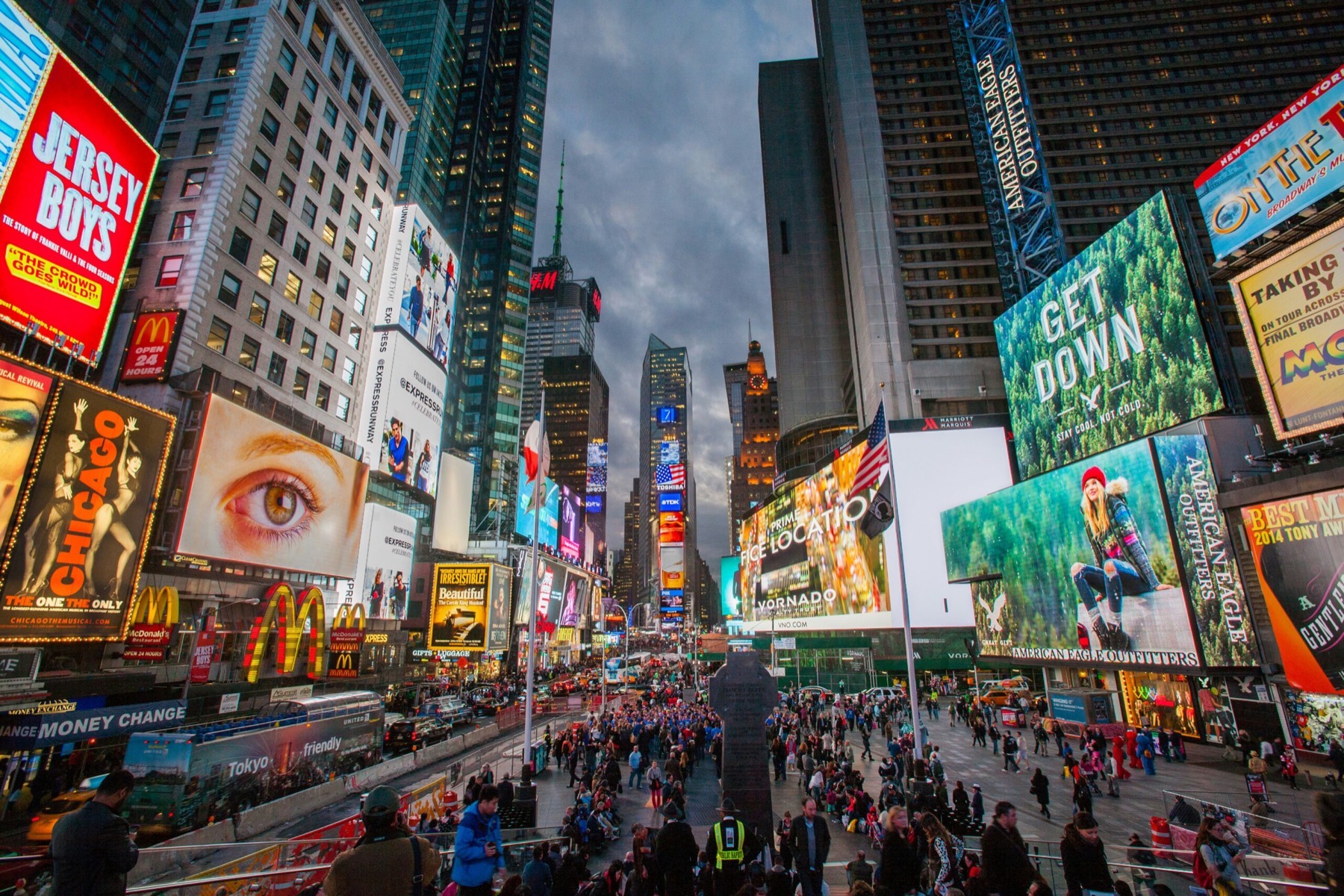
Brands used to aim for large public installations. Now many are building compact activations designed specifically for sharing online.
The goal is not maximum foot traffic. The goal is maximum visibility.
A small but highly interactive setup can outperform a large passive display because visitors naturally record and post it. Social platforms reward clear visual moments, which allows a local experience to reach a global audience.
You can see how shareable interaction shapes modern builds at MOGXP
Experiences Built Around Content Creation
In 2026, many activations will function as guided content studios.
Instead of hoping people post, brands design the experience so posting feels automatic. Visitors follow simple actions that lead to a satisfying result on camera.
This includes:
-
repeatable challenges
-
instant transformations
-
timed reveals
-
collaborative participation
Social video continues to dominate online engagement time, which is why campaigns increasingly start with how they will appear on mobile screens.
Data Connected to Physical Interaction
Another major shift is measurement.
Experiential marketing is becoming part of performance marketing through trackable touchpoints such as:
-
QR interactions
-
digital rewards
-
personalized outputs
-
retargeting audiences
Instead of ending at the event, the experience begins a long term customer journey. These connected strategies support broader marketing systems like those explained at MOGXP.
Personalization in Real Time
Consumers now expect brands to respond to them individually. In 2026, more experiences will adapt to the participant.
Rather than everyone seeing the same activation, visitors will receive:
-
customized results
-
personal recommendations
-
dynamic visual outputs
Personalized interaction increases memory and trust because the brand feels responsive rather than broadcast driven. Research shows consumers engage more when messaging feels relevant to them.
Blending Digital and Physical Communities
Experiential marketing is moving beyond single day events. Communities now continue online after the activation ends.
Brands are extending the experience by:
-
reposting participant content
-
creating follow up challenges
-
inviting visitors back for new releases
This turns an event into an ongoing relationship. The experience becomes a starting point for brand loyalty, aligning with long term strategy planning described at MOGXP
Why Brands Are Investing More in Experiences
People ignore messages they did not ask for. They remember moments they participated in.
Experiential marketing works because it combines:
-
attention
-
emotion
-
social proof
No single digital format delivers all three at once. That is why more campaigns are being built around experiences first and ads second.
Looking Ahead
In 2026 experiential marketing will not replace digital marketing. It will power it.
Physical interaction will generate the content, and digital channels will multiply its reach. The brands that connect these two worlds will gain the most visibility without relying entirely on paid impressions.
Learn more about building future ready brand activations at MOGXP