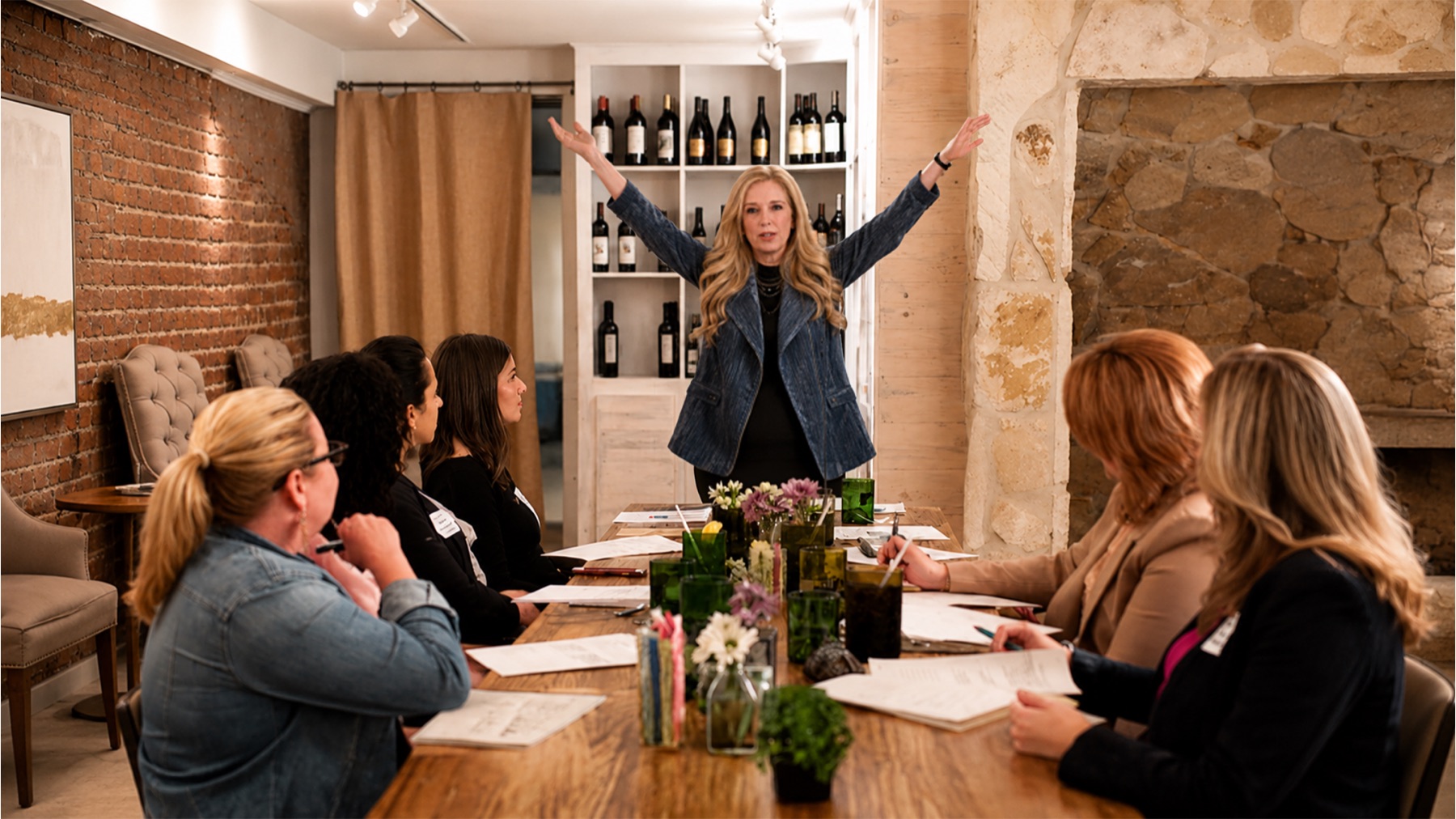

December is a time for reflection. As the year comes to a close, brands evaluate what worked, what felt forced, and where engagement was strongest. One consistent insight has emerged across industries. Smaller, more intimate brand experiences often outperform large scale activations.
This shift is not about reducing ambition. It is about designing experiences with intention. As brands look ahead to the new year, intimacy has become a strategic advantage.
Consumer Expectations Have Shifted
Audiences are more selective with their time. Large events can feel overwhelming or transactional. Smaller experiences feel purposeful and easier to engage with.
McKinsey research shows that consumers respond more positively to personalized and relevant interactions. When brands deliver experiences that feel tailored, engagement increases.
Intimate formats allow brands to meet this expectation without overcomplicating execution.
Reflection Reveals What Actually Works
Year end review often shows a clear pattern. Experiences with meaningful interaction generate better feedback and stronger recall than high volume exposure.
Smaller activations give participants time to engage, ask questions, and connect. This depth creates memory, which supports long term brand perception.
Event Marketer reports that hands on experiences drive higher brand recall and purchase intent than passive impressions.
https://www.eventmarketer.com/article/event-marketing-statistics/
Personal Interaction Builds Trust
Trust grows through conversation and presence. Smaller experiences allow brand ambassadors to engage authentically rather than managing crowd flow.
This type of interaction supports education, product understanding, and credibility. Participants feel acknowledged rather than processed.
Edelman research consistently shows that trust influences purchasing and brand advocacy.
Smaller Experiences Are Easier to Execute Well
Large scale activations introduce complexity. Permits, staffing, logistics, and risk all increase with size.
Smaller experiences are easier to manage and adapt. They allow brands to focus on execution quality rather than scale alone.
This operational efficiency is especially valuable as brands plan for the new year and evaluate budgets.
Formats That Work Well
Intimate brand experiences succeed across many formats:
• Small pop ups• Invite only events• Mobile brand activations• Sampling with guided interaction• Educational workshops• Community based experiences
These formats prioritize participation and conversation.
Better Data and Clearer Insight
Smaller experiences make data collection easier. Staff can guide participants through sign ups, surveys, or demos without pressure.
This leads to higher opt in rates and more accurate feedback. Brands gain insight that supports future planning.
As teams reflect on the year, this data becomes a valuable planning tool.
Scaling Through Replication
Intimate experiences scale through repetition rather than expansion. A strong concept can be activated across multiple markets.
This approach maintains consistency while allowing for local adaptation. It also spreads risk and increases reach.
Experiential partners like MOGXP help brands design modular programs that scale without losing impact.
Measuring What Matters
Success should be measured by depth, not volume. Useful metrics include:
• Engagement time• Lead quality• Conversion rate• Sentiment and feedback• Repeat participation
These indicators align better with long term brand goals.
Final Thoughts
As brands reflect on the past year, one insight stands out. Connection matters more than scale.
Smaller, more intimate brand experiences create space for trust, memory, and real engagement. As planning begins for the year ahead, these formats offer a clear path forward.