A brand activation can draw a big crowd and still move no product. A useful case study states the goal before the event, the scale that was delivered and a result you can check. Here are three of ours, Kellogg's Krave, ISOPURE and Toyota, with what each number counts.
If you run marketing for a consumer or CPG brand, you've probably sat through the recap deck. The photos look great. The crowd shows up in every slide. Then someone asks what it did for product movement, and the room goes quiet.
What still surprises me is how many brand teams sign off on that deck without asking what its biggest number is actually counting. What I can show you is the target, the delivery and the reach, and I'll say which is which.
What should an experiential marketing case study actually show?
It should show three things in order: the target set before the work started, the scale of what was delivered, and the outcome measured against that target. A case study missing the first one can't tell you whether the result was good or just big.
Proof is where this channel is weakest, and the weakness costs budget. According to Stova, a survey found that 1 in 3 marketers find it hard to demonstrate positive ROI, which makes it difficult to request funds for experiential campaigns. If your own finance lead has pushed back on an event line, you've seen this first-hand.
So when you read any case study, ours included, ask what the number is counting. Samples handed out, people touched and units sold are three different things. They answer three different questions, and a deck that blurs them is usually blurring them on purpose.
Here is a quick way to sort them.
| What the number counts | What it tells you | What it can't tell you |
|---|---|---|
| Samples delivered | The program hit its volume | Whether anyone bought |
| Brand touches | Real interactions happened | Whether touches became customers |
| Units sold | The activation moved product | Why, unless the target was set first |
Most case studies you'll find online report the first two. That's fine, as long as the page says so.
Kellogg's Krave launch: what was planned, what ran, what came back
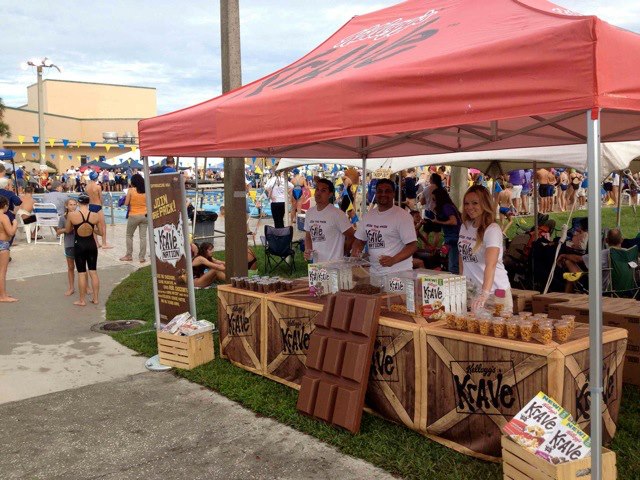
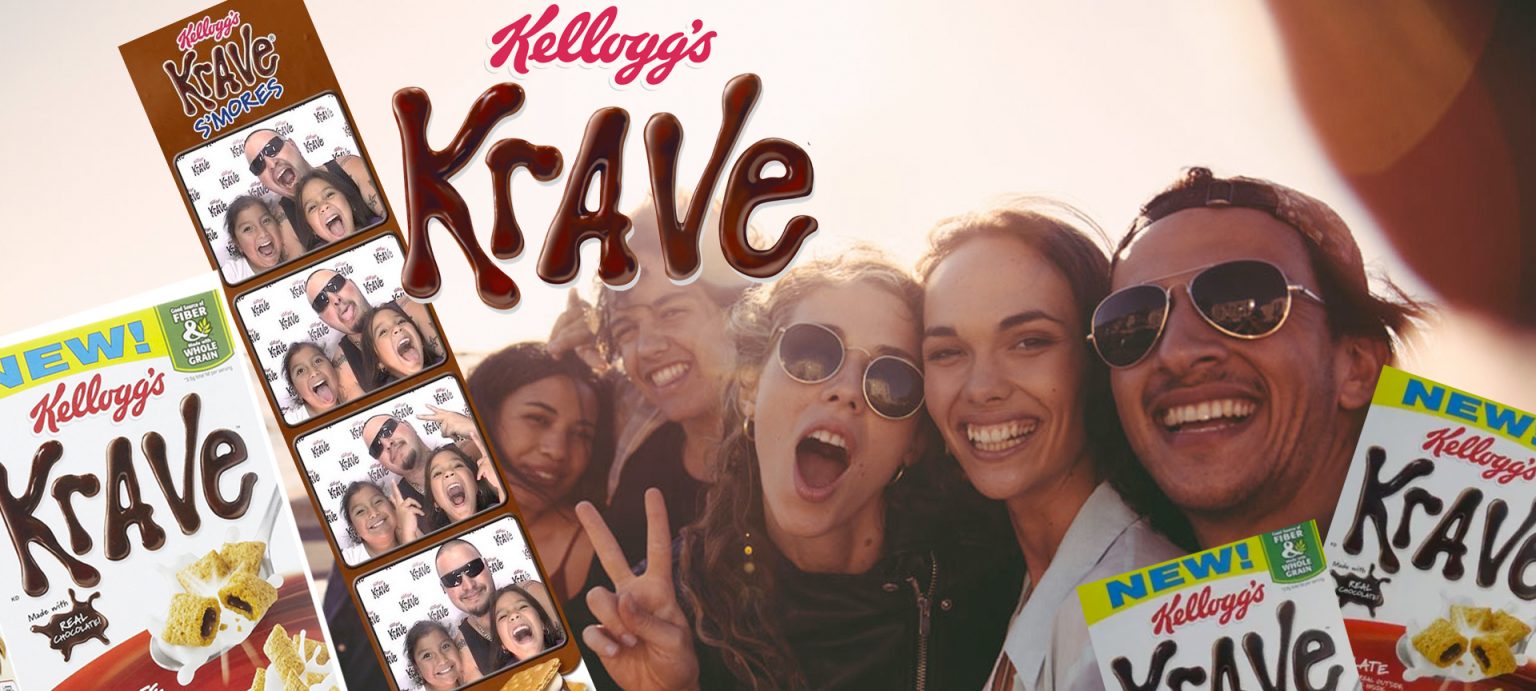
The goal was 250,000 samples for the Kellogg's Krave launch, and we delivered 300,000. Fifty thousand samples past plan is a clean result, because the target existed before the work did.
Krave is a Kellogg's cereal. A launch is the moment when trial matters most, since nobody has a habit with the product yet and the only way to start one is to get it into someone's hands. That's why we set the goal in samples and not impressions. An impression is someone who might have noticed a box. A sample is someone who tasted it.
What the number proves is delivery against a target. Whether those samples turned into repeat purchase is a question for the brand's retail data, and it's the one I'd want answered on any launch.
So here's the order of operations I'd follow if you're planning one. Set the sample goal. Build the markets and staffing to hit it. Then agree, before the first table goes up, which sales data you'll compare it against. Our piece on why experiential marketing works better for new product launches goes into the timing.
ISOPURE and the Amazon Treasure Truck: how do you make sampling a purchase?
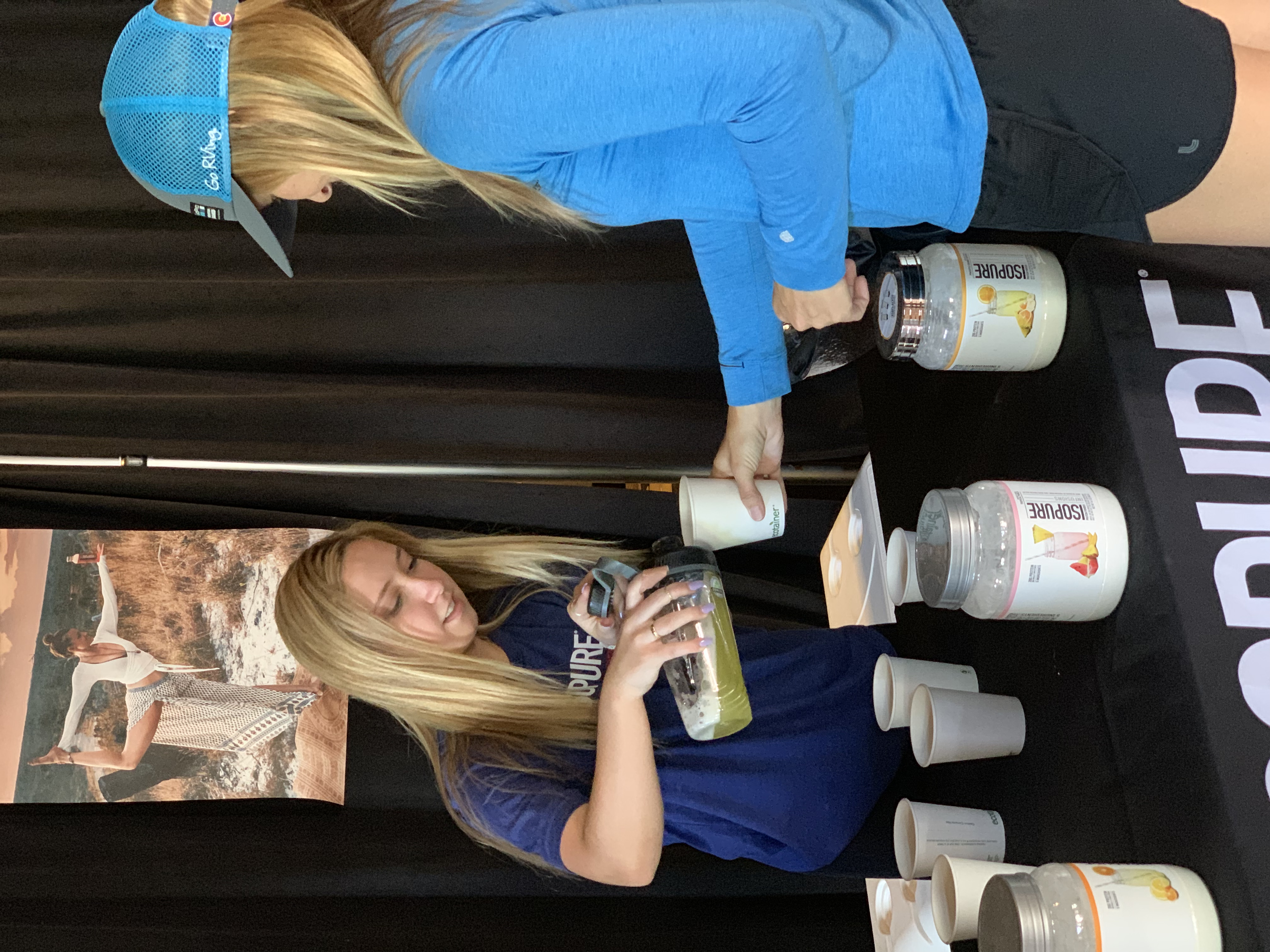
We put ISOPURE into consumers' hands through the Amazon Treasure Truck, with 24 trucks in 24 cities on one day. The design question was how to close the distance between tasting and buying.
Picture the usual sampling table. Someone tastes a drink, says it's good, and walks off with a coupon they'll lose by Thursday. We built this one differently. The plan called for a product display and hydration station so consumers could see, taste and learn about ISOPURE, tied to what the program describes as "on-site sampling with instant purchase through the Treasure Truck, turning trial into immediate conversion."
The register sat next to the sample. That's the mechanism, and it's the reason this program belongs in a case-study article. The scale is 24 trucks, 24 cities and one day, and the audience was active, health-minded Amazon shoppers.
If your product is something a shopper can buy on impulse, ask whether your activation can do the same. If it can't, work out how the sample connects to a store shelf, and how you'll count that connection. A sample with no path to purchase is a nice moment and not much else.
Toyota Marine Corps Boot Camp Challenge: what does a brand touch count?
The starting move was targeting. The plan was to work with the event association to focus the activation on specific demographics, so the team wasn't simply talking to whoever walked past.
The result we can state is more than 2,500 brand touches in eight hours.
A brand touch is a count of real interactions at the activation. It's stronger evidence than headcount at the event, since a crowd can walk by without stopping. It's weaker than a vehicle sale, and I wouldn't dress it up as one. For a car brand, the interaction is the start of a long path, and the case study measures the start.
How do the three programs compare?
Each program was built to put a product in front of the right person and to count something specific. The table lays out what each one planned, what ran and what came back.
| Program | Planned | What ran | What came back |
|---|---|---|---|
| Kellogg's Krave launch | 250,000 samples | Launch sampling program | 300,000 samples delivered |
| ISOPURE with Amazon Treasure Truck | Sampling tied to instant purchase | 24 trucks in 24 cities, one day | Delivery at scale, with purchase built into the sample |
| Toyota Marine Corps Boot Camp Challenge | Target the right demographics and beat event benchmarks | Activation over eight hours | More than 2,500 brand touches |
That's normal for field work, where the brand owns the sales data. It's also why I'd ask any agency, us included, to say which number they can show you and which they can't.
How do these compare with the industry numbers?
Industry surveys point the same direction, but they mostly measure sentiment and spend, so treat them as background.
On returns, Tecna cites a survey of over 200 marketing professionals, 68% of whom focus on B2B, that puts event ROI typically between 25% and 34%. That sample leans B2B, so it's a poor yardstick for a cereal or a sports drink.
Hold published statistics loosely and your own measurement tightly. Your target, your sample count and your retail data will tell you more than any survey average. Our write-up on how experiential marketing drives real ROI covers how to set that up before launch.
What mistakes make case studies useless?
The most common one is celebrating a crowd. A packed event with no product in anyone's hand is the exact failure we exist to fix, and a recap that opens with attendance is usually hiding it.
The second is a number with no denominator. "Ten thousand interactions" means little until you know the goal, the hours and the markets. A third is borrowing someone else's result as if it were a forecast. Another brand's campaign, in another category, says very little about your launch.
The last mistake is agreeing on the measurement after the event. If the brand's sales data, the sample count and the definition of a touch aren't settled beforehand, you'll spend the debrief arguing about what the number means. It's cheaper to settle it in planning, and how long experiential marketing takes to plan shows where that conversation fits. If you're still weighing partners, what an experiential marketing agency actually does is a useful checklist.
FAQ
What is an experiential marketing case study?
It's a written account of one program that shows the goal, what ran and the measured result. The useful ones state the target before the event and name what each number counts, so you can tell delivery from sales.
Do experiential marketing case studies prove sales?
Only if they include sales or purchase data, which usually sits with the brand. Many report samples, interactions or engagement instead. Ask which one you're looking at before you treat it as proof.
How many case studies should I ask an agency for?
Ask for two or three in your product category, each with a stated goal and result. One polished example tells you little, and several with no targets tell you even less.
Can small brands use the same approach?
Yes. You don't have to spend a lot on a big event or sponsorship. Smaller, targeted tactics exist, and they sometimes return more per dollar than larger ones. Set a target, count what you delivered, and compare it to a benchmark.
Your next step
Pick the launch you're planning and write down, in one sentence, the number you'd need to see to call it a success. Then read the MOGXP case studies and check how each one states its own target.